
With Halloween looming next week, ReBound Returns has revealed the top five scariest items found in returned parcels. Drawing on real life examples from the company’s returns hubs and wider industry research, these discoveries range from the creepy to the genuinely life threatening.
ReBound Returns found a dead tarantula in one parcel sent to a returns hub. Back in 2013, a huntsman spider was found in a British warehouse. Sellers and warehouse operators have also reported mattresses with bed bugs, books with silverfish, and a laptop with cockroaches being sent back as ‘new’ returned items.
There have been multiple reports in the US of used nappies sent back to retail brands. Vegetable choppers have been returned with mouldy food still inside, and one fridge freezer apparently arrived with mould, old food, and used jars of lemon curd and jam still inside.
Blood covered clothing has turned up at warehouses. A resurgence of taxidermy means that bones and other body parts are also more likely to show up in the returns supply chain, and sellers should be aware of specific requirements for shipping these items.
Knives and other bladed items can come back through the returns chain like any other product, and operatives are at risk if they are not labelled or packaged correctly. Some weapons are not obvious at all; some items that look like credit cards, lipsticks or hair combs actually contain concealed knives. This can be very dangerous to warehouse operatives if they accidentally deploy a spring loaded blade.
In 2021, a returns fraud plot involved packages being posted with homemade devices designed to burn off the delivery labels, so he could claim refunds and keep the goods, as the return tracking data would show the return was lost during transit. The packages caused evacuations and road closures and led to the army bomb disposal unit attending an Amazon dept, disrupting 50,000 people and costing just under £600,000. The culprit was sentenced to 21 months in prison after pleading guilty.
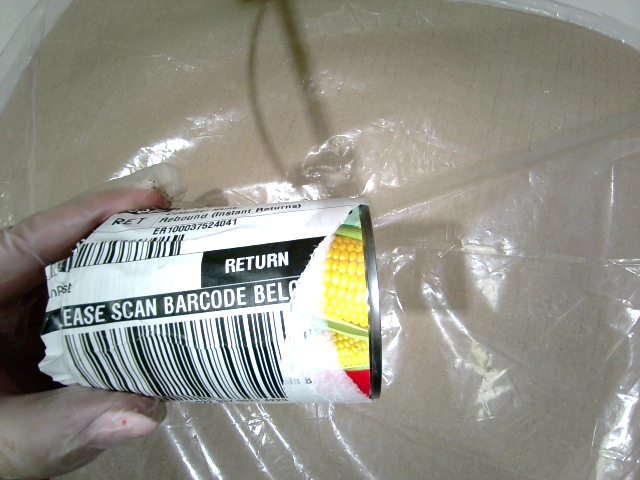
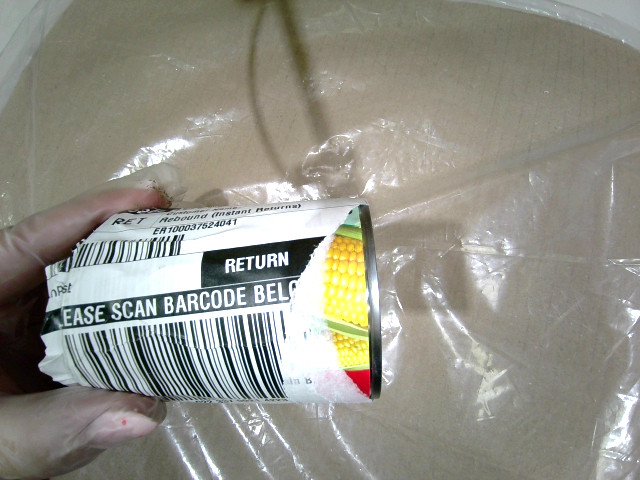
Sometimes, the fear of the unknown can be the scariest, and items returned to retailers are often not what they are supposed to be: a jar of corn instead of a pair of shoes; a bottle of water that weighs the same as a laptop; enough vegetables to make a soup. Unexpected returns leave retailers facing huge costs if they have already paid out refunds.
Then there are the items that are technically correct but are wrongly returned as new. A dress that smells like someone was dancing in it all night, or a pair of shoes that have seen a marathon, clearly used and haunted by their previous life. The exception to this is when retailers allow consumers to send their own items back, for example to be donated or exchanged. In this case, quick grading and sorting can determine which items can go to which circularity channels.
Liselotte Reijrink, sales director at ReBound Returns, said: ‘There are a few red flags that can indicate whether a returned item is likely to be more trick than treat. Analysing previous customer behaviour, along with a number of other factors, can indicate how likely someone is to send the wrong item. One of the tells is that the longer an item has been with a customer, the more likely it is that it has been used and in a poorer condition than the returner claims. Any insight from data needs to go alongside human checks so that items can be verified quickly and safely. In all fairness, sometimes you can see that the consumer has made a mistake, for example when it is a perfectly fine pair of shoes from a different brand. In this case, the retailer needs to provide an opportunity to the customer to get those items back.
‘Returns shouldn’t contain ‘jump scares’. Warehouse operatives should be protected and looked after if a dangerous or scary item does make its way via the returns process. Of course, it is important for warehouses to run smoothly, but it needs to be safe above all else, so we make sure both are possible. Although it depends on the condition of the returned item, reprocessing and refurbishing damaged items where viable can help to mitigate losses.’