
During Brake’s Road Safety Week (15 to 21 November), new research from transport technology specialist Microlise has revealed that half of UK transport and logistics managers consider multi-camera systems as the most important technology for keeping HGV drivers safe on the roads.
The findings come from Microlise’s annual report, ‘Navigating UK Transport and Logistics in 2026 and Beyond’, which is based on a survey of 250 UK transport and logistics managers.
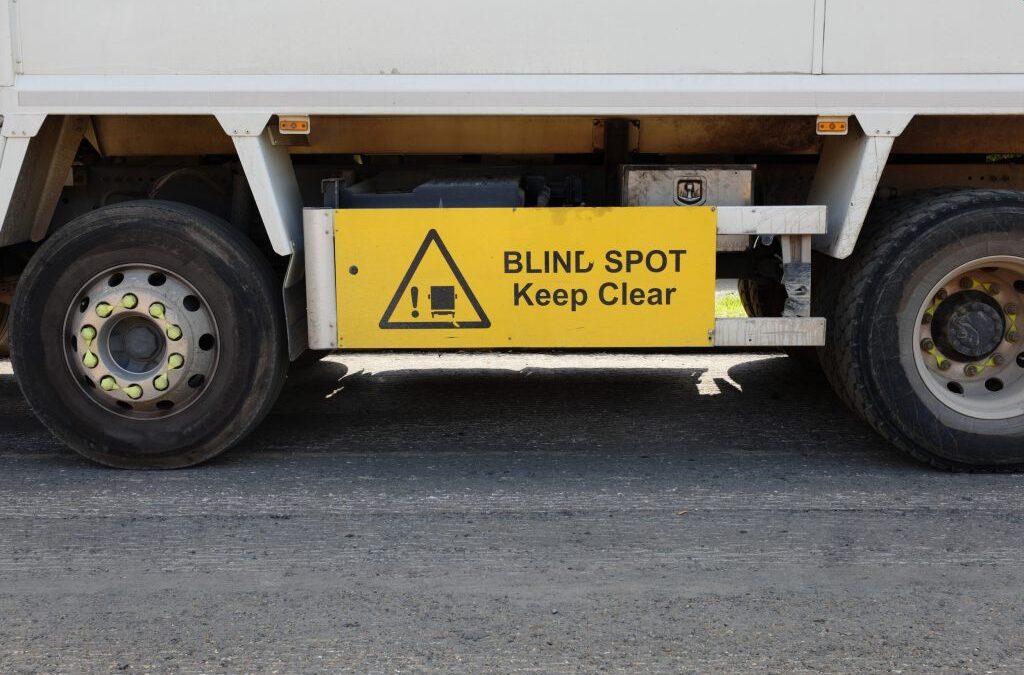
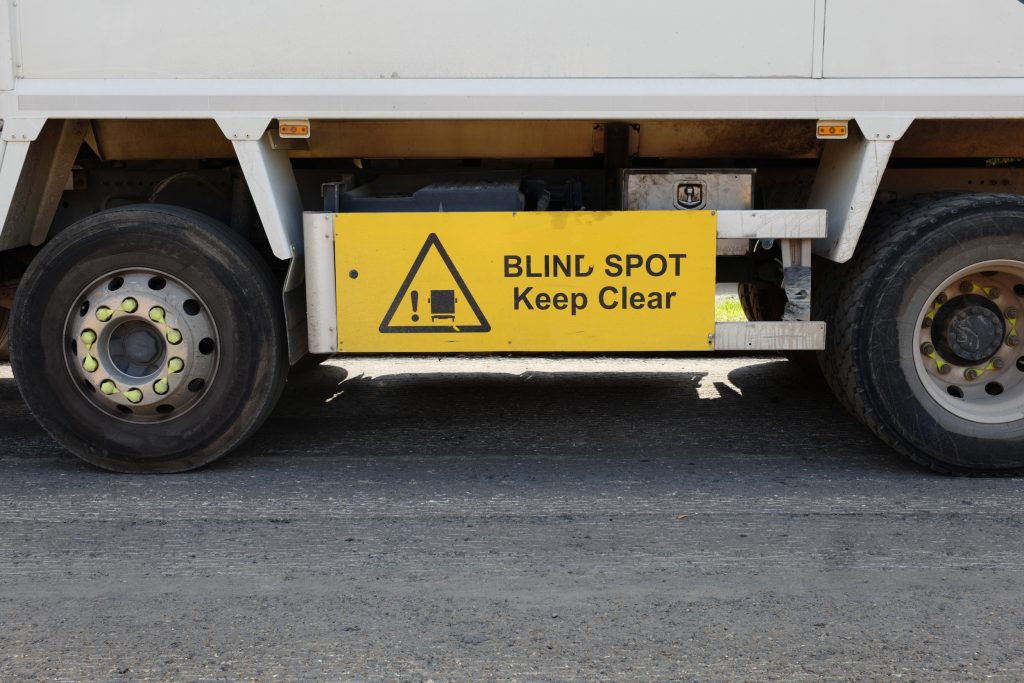
When asked which technology they considered most important for driver safety, 50% of respondents selected multi-camera systems, which provide greater visibility around commercial vehicles, helping HGV drivers identify potential risks and reduce the likelihood of incidents, making roads safer for everyone.
Almost a third (32%) identified driver hazard warning systems, which alert drivers to potential risks along their routes, as the most important safety technology.
Meanwhile, 16% chose AI enabled driver monitoring cameras, which can identify signs of distraction, fatigue and other potentially unsafe behaviours.
Just 2% of respondents said that no technology was crucial to driver safety.
The findings underline the growing importance transport operators place on technology to help manage the risks associated with operating heavy goods vehicles, particularly when it comes to giving drivers added visibility and improving road safety.
For operators, multi-camera systems help reduce risk and insurance costs, whilst also providing valuable evidence in the event of an incident. Footage can also support insurance investigations and the First Notification of Loss (FNOL) process, helping operators establish the circumstances surrounding a collision more efficiently.
Driver hazard warning systems, warn of low bridges, also reduce risk, increase driver awareness and improve safety.
Microlise CEO, Nadeem Raza, said: ‘While cameras have traditionally been associated with providing evidence after a collision, their role is evolving.
‘The real value lies in using the information they capture to identify patterns of unsafe behaviour, address recurring risks and make informed decisions about where additional driver support or training may be needed.
‘’Road Safety Week is an important opportunity for the industry to reflect on how it approaches safety and the role we all play in making our roads safer. Investing in technology is one part of the picture, but it is how operators act on the information available to them that will ultimately make the biggest difference.’
Ross Moorlock, chief executive officer at UK road safety charity Brake, said: ‘Five people die on UK roads every day, with many more suffering serious, life changing injuries. Every death or serious injury is devastating, leaving families and communities facing lifelong consequences. We see this first hand through our work supporting road victims and their families, which is why preventing these tragedies must remain a priority.
‘This year, Road Safety Week is all about people and our shared responsibility to protect ourselves and each other. Whether we walk, wheel, ride or drive, those with the potential to cause the greatest harm must take the greatest responsibility for protecting vulnerable road users.
‘Heavy goods vehicles play an essential role in keeping the country moving, but their size and weight mean collisions can have particularly serious consequences for all road users.
‘Technology has an important role to play in reducing these risks, but must be part of a wider commitment to road safety. Fleet operators must ensure their vehicles are as safe as possible, drivers are properly trained and supported, and protecting other road users remains central to their operations.’