
Welch’s Transport is urging the logistics industry to look beyond simply buying electric vehicles and instead embrace the wider transformation needed to build truly sustainable freight operations, following its success at this year’s Motor Transport Awards.
The Cambridgeshire based haulier secured two major accolades, including the Future Fleets Award, recognition that managing director Chris Welch believes reflects far more than investment in electric trucks alone.
As a member of Palletline, Welch’s is increasingly seen as one of the network’s leading voices on decarbonisation, helping demonstrate what a future low carbon freight operation looks like in practice.
According to Chris Welch, the biggest misconception in freight transport is that purchasing an electric vehicle marks the end of the sustainability journey.
‘In reality, buying the vehicle is the easy bit,’ he said. ‘The real challenge and opportunity lies in understanding everything that sits behind it. Infrastructure, energy supply, charging strategy, data, operational planning, staff engagement and future technology all have to work together. That is where the real transformation happens.’
While many operators have begun introducing electric vehicles into their fleets, Chris Welch believes the industry’s next phase will be defined by how effectively businesses adapt their entire operations around electrification.
‘It has very easy to buy one electric vehicle and feel like you have ticked the box,’ he said. ‘But the companies that will thrive over the next decade will be the ones looking at the bigger picture. How will you generate and manage energy? What charging infrastructure will you need in five years’ time? How do you optimise vehicle utilisation? How do you integrate data, fleet management and future technologies? Those are the questions that matter.’
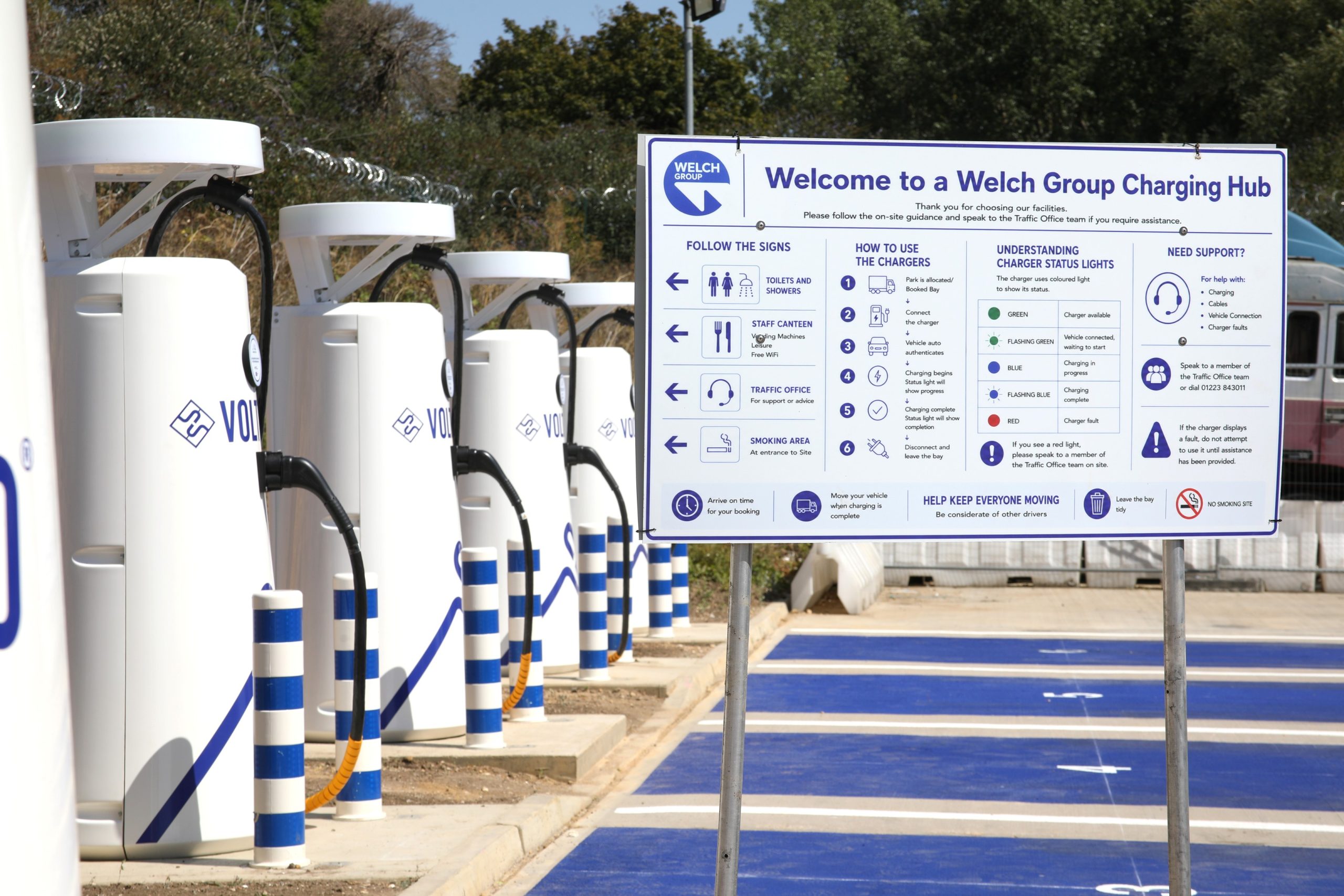
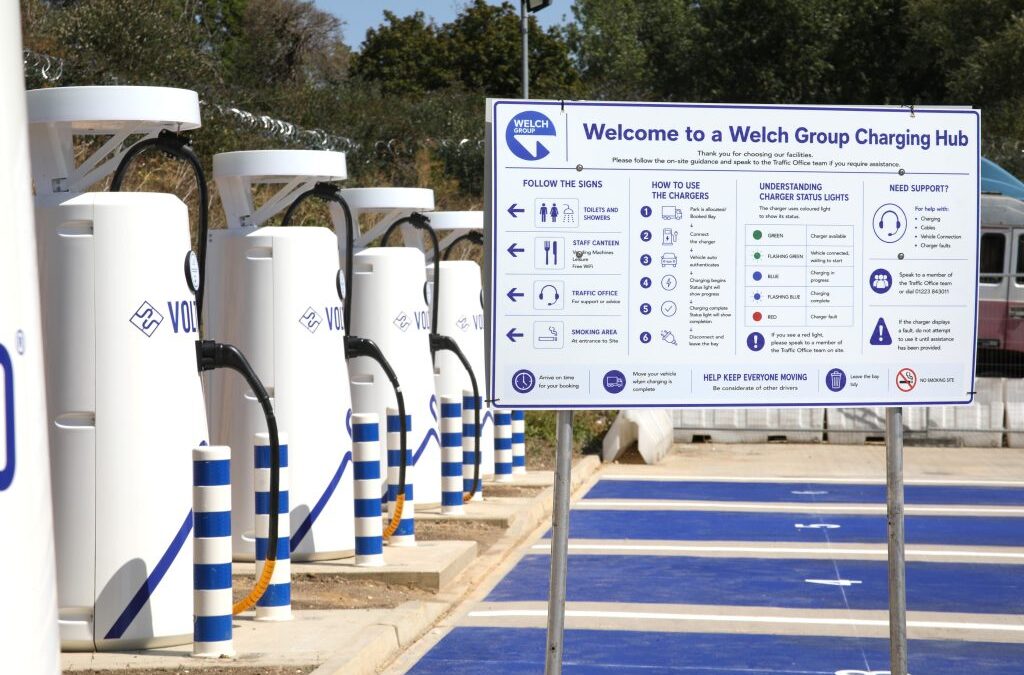
For Welch’s, the decarbonisation journey has extended far beyond vehicles. The company has invested in charging infrastructure, smart energy management systems and renewable power solutions while exploring how future technologies such as intelligent charging, battery storage and autonomous operations could transform logistics.
This mirrors the wider direction of travel being championed by Palletline, whose own industry leading decarbonisation programme focuses on building the infrastructure, governance and operational framework required to support a net zero pallet network. The network’s strategy includes renewable energy generation, shared charging infrastructure, electrified trunking corridors and coordinated member transition programmes.
Welch believes this broader approach is essential if the logistics sector is to meet increasingly ambitious environmental targets while remaining commercially competitive.
‘Electric vehicles are often viewed only through the lens of carbon reduction, but they can bring much wider business benefits,’ he said. ‘When you start looking at renewable energy generation, battery technology, smart charging and energy management, you gain far more control over one of your biggest operating costs. That changes the economics completely.’
He also argues that customers are becoming a major driver of change.
‘Many customers have already tackled emissions within their own operations. Increasingly they are looking at transport and distribution as the next area where they can reduce environmental impact. They want logistics partners who are prepared for the future and who can demonstrate genuine progress rather than simply making promises.’
For Palletline, businesses such as Welch’s demonstrate how member companies can play a vital role in accelerating decarbonisation across the wider network. Engagement data gathered as part of the network’s decarbonisation programme shows that many members are already operating electric vehicles or actively exploring electrification, highlighting growing momentum across the sector.
However, Welch believes collaboration remains critical: ‘The more operators that get involved, the faster the technology develops, the stronger the charging infrastructure becomes and the more affordable the solutions become for everyone. This isn’t something any business can solve alone. We all have a role to play in moving the industry forward.’
Reflecting on the Future Fleets Award, Welch said the recognition validates the company’s long term approach.
‘The award wasn’t really about an electric truck. It was recognition that we have embedded decarbonisation, innovation and future thinking into the business. That is what excites me. We are not just preparing for the next vehicle purchase. We are preparing for the next generation of logistics.’
As the freight sector continues its transition towards lower carbon operations, Welch’s believes the message is simple.
‘Don’t think of decarbonisation as a vehicle project. Think of it as a business transformation project. The operators that embrace that mindset now will be the ones leading the industry tomorrow,’ he concluded.